The Complete Guide to Kebabmaking Made Simple
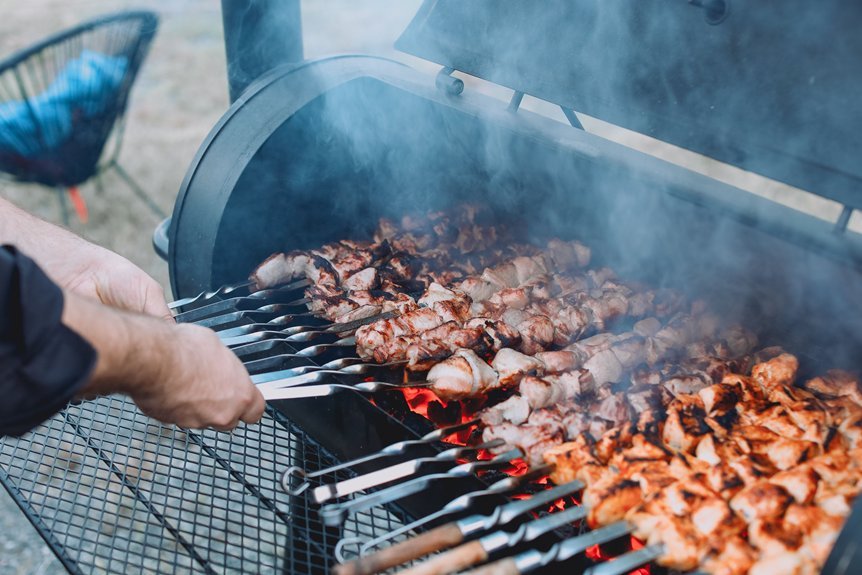
The guide presents kebab making as a disciplined craft, where core techniques shape every bite. It emphasizes steady heat, balanced textures, and precise timing, with marinades that whisper flavor rather than shout. Skewers become conductors of heat, turning meat and veg into a cohesive, caramelized bite. From grill to plate, it promises dependable results and clean presentation. Yet the real test lies in how these steps hold together under pressure, inviting careful attention to the next detail.
What Makes a Great Kebab: Core Techniques and Temps
Great kebabs hinge on a few precise elements: the quality of the meat, the balance of marinade, the evenness of heat, and the timing of cooking. The core techniques emphasize consistent texture, precise temperature ranges, and controlled sear. Flavor binding emerges through carving precision and mindful resting. Heat management guides each turn, ensuring juiciness, responsiveness, and a clean, lingering finish.
Marinade Mastery: How to Get Flavor That Sticks?
Marinade Mastery hinges on harmony between fat, acid, and salt, where each component serves a distinct function: fat carries aroma and guards juiciness, acid primes proteins for absorption, and salt unlocks moisture and flavor compounds.
Marinade chemistry reveals how oils lubricate texture, acids sharpen tenderness, and salts moderate pH impact, shaping aroma diffusion, tenderness, and lasting savor without overpowering the meat.
Skewering to Sizzle: Grill Setup, Safety, and Cooking Timing
After flavors have settled in the meat, the next step is to orchestrate the grill layout and timing that will translate those notes into a crisp, smoky finish. The skewers align over heated coals or burners, ensuring even heat. grill setup, safety; cooking timing, sizzle. Precision governs airflow, distance, and patience, yielding balanced sear, aroma, and controlled caramelization.
From Grill to Plate: Serving, Tweaks, and Troubleshooting
From grill to plate, the final phase centers on precise presentation, tailored tweaks, and practical troubleshooting to ensure the kebabs land on the table with consistent quality.
Plate aesthetics balance color, aroma, and texture, inviting bold flavors.
Serving tweaks emphasize portion control, sauce placement, and garnish.
Minor adjustments, timing, and heat retention guarantee dependable bite, minimizing drift in texture or juiciness.
grill to plate.
Frequently Asked Questions
What Cuts of Meat Ensure the Most Tender Kebab?
Tender meat selection favors cuts with fat and marbling, like shoulder, sirloin, and ribeye, yielding juiciness. The kebab cut variety benefits from wand-like tenderness, while uniform chunks promote even cooking and a sensory, freedom-loving dining experience.
How Do You Fix Dry Kebabs Quickly?
Fixing dry kebabs quickly, the scene suggests a saucy rescue: kebab moisture hacks mingle with smoky air as juices reawaken. The two word discussion ideas breathe, while moisture-laden glaze, gentle rest, and sensory balance restore tenderness.
Which Herbs Brighten Kebab Flavor Without Overpowering?
Brightening herbs include parsley, cilantro, and mint, which lift kebab flavor without overpowering. Subtle aromatic herbs like dill and thyme add delicate notes, while oregano offers warmth. The result remains balanced, clear, and freedom-infused in sensory balance.
Can Kebabs Be Cooked in an Oven or Air Fryer?
Yes, kebabs can be cooked in an oven or air fryer. In the oven method, the oven method odyssey, heat and patience prevail; air fry alchemy yields crisp surfaces, fragrant interiors, and a quiet, freedom-loving sizzle.
What’s the Best Kebab Pairings for Sauces?
What pairings maximize Sauce balance while enhancing Meat tenderness and highlighting Ingredient tips. The approach favors bright chutneys, yogurt-mint, smoky harissa, and citrus reductions; textures sing when char meets velvet. Freedom-loving eaters savor complementary sauces alongside kebabs.
Conclusion
In the end, kebabs emerge as a symphony of control and timing. The reader learns to balance fat, acid, and salt, and to coax even browning with a disciplined heat. An intriguing statistic underlines their craft: when meat reaches a 140–145°F interior, juiciness peaks before collapse, while properly rested skewers show 10–15% more tenderness. The guide’s practical steps—foundations, marinades, skewering, and plating—coalesce into reliable, repeatable success, turning simple ingredients into memorable, sensory bites.