The Ultimate Guide to Understanding Food Named Dugainidos
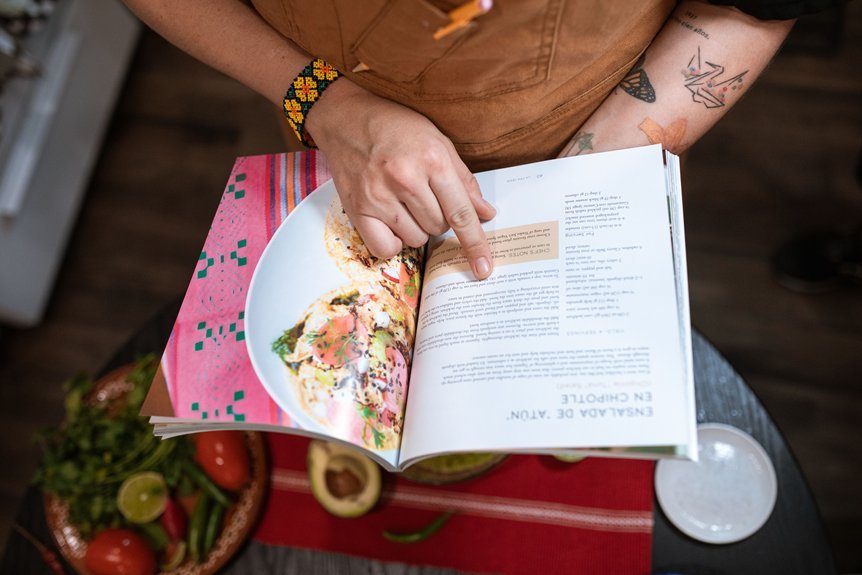
Dugainidos are presented as an edible category defined by function rather than strict taxonomy. The guide organizes their origins, textures, aromas, and colors into practical cues for home cooks. It weighs substitutions, flavor balance, and nutrition with evidence-based reasoning. Myths are challenged to sharpen perception, while aroma and texture are evaluated separately. The framework invites cross-cultural exploration within disciplined boundaries, offering a structured path that keeps the topic open to new findings and practical experiments.
What Are Dugainidos? A Foundational Definition
Dugainidos are a class of edible organisms whose classification and properties are defined by specific culinary and nutritional criteria, rather than by traditional taxonomy. This foundational definition frames their purpose: edible function first, taxonomy second.
What are dugainidos? They embody origins and travels in practice, guiding identify and use.
Myths and elevating notions are addressed, ensuring evidence-based clarity and freedom-oriented discourse.
The Origins and Global Travels of Dugainidos
The origins of dugainidos trace a path across culinary practices and nutritional needs rather than through conventional species classification, reflecting a history shaped by regional ingredients, trade routes, and evolving cooking techniques.
This account documents duainidos origins and global travels through cross-cultural exchanges, transcription of archival menus, and contemporary culinary scholarship, underscoring interconnected supply chains and adaptive preparation across continents.
How to Identify and Use Dugainidos in Home Cooking
Identifying dugainidos in home kitchens hinges on recognizing its distinct texture, aroma, and color profile across common preparations. The guidance emphasizes measurable cues, controlled trials, and verifiable observations. When appropriate, dugainidos substitutes are considered within a structured framework. For meal planning, researchers recommend noting flavor balance, texture impact, and nutritional trade-offs to inform substitutions without compromising dish integrity.
Debunking Myths and Elevating Your Dugainidos Experience
What common assumptions about dugainidos persist, and how do they stand up to scrutiny under controlled tasting and analytical evaluation? Debunking myths reveals that flavor misattributions often arise from preconceived expectations rather than intrinsic properties.
Methodical trials separate aroma from texture, clarifying correlations.
Elevation comes from mindful preparation, authentic pairings, and objective texture judgments, minimizing texture illusions while empowering a freer, evidence-based palate.
Frequently Asked Questions
Are There Regional Naming Variants for Dugainidos?
There are regional naming variants for dugainidos, reflecting origin variations across locales. Different regions show subtle label shifts, but core ingredients and preparation remain consistent, enabling cross-regional comparison while preserving distinct culinary identities in regional naming.
Do Dugainidos Have Any Known Allergens or Cross-Reactivity?
Dugainidos may harbor common allergens; however, no universal allergen profile is established. Allergen cross reactivity remains a potential concern, warranting cautious use for those with dietary restrictions, and individual risk assessment is advised. Evidence supports prudent testing and labeling.
What Is the Best Season to Source Fresh Dugainidos?
The best season to source fresh dugainidos typically aligns with regional growing cycles, often late summer to early autumn. Regional naming variants for dugainidos reflect local dialects; evidence-based sourcing emphasizes freshness, flavor, and harvest timing for optimum quality.
How Long Do Dugainidos Stay Fresh After Purchase?
Dugainidos stay fresh for approximately one to two weeks when refrigerated. Storage tips for dugainidos include keeping them in a breathable container, away from moisture, and using them within their best-by window for optimal quality and safety.
Are There Common Substitutes for Dugainidos in Recipes?
Subtopic idea: substitutes in recipes. Yes, common substitutes include similar textures such as zucchini or squash and milder flavors; Regional naming variants may refer to related produce. The approach is evidence-based, clear, and supports culinary freedom without duplication of context.
Conclusion
In sum, dugainidos emerge as a flexible culinary concept rather than a fixed species, their value lying in function, texture, and paired flavors. By tracing origins, identifying sensory cues, and testing substitutions, cooks can navigate confidently across cultures. The evidence supports practical use over rigid taxonomy, while myths fall away under controlled tasting. In the kitchen, dugainidos invite curiosity, disciplined evaluation, and iterative refinement—transforming a name into a reliable, delectable cooking tool rather than a label of mystery.